MemoGenesis Review: What Is It?
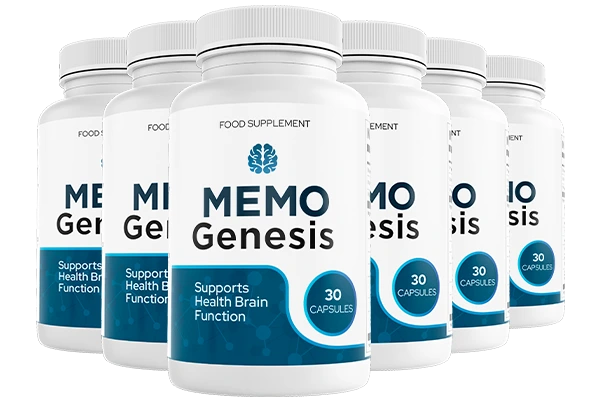
For this MemoGenesis review, the starting point is the basics: MemoGenesis is a daily nootropic supplement marketed toward adults dealing with brain fog, forgetfulness, or difficulty staying focused — the kind of everyday lapses that aren't necessarily a medical condition but are still frustrating to live with. It's formulated without caffeine or synthetic stimulants, which sets it apart from the Adderall-adjacent "focus pills" that dominate a lot of search results in this category.
The formula lists six active ingredients — Bacopa Monnieri, Huperzine A, Ginkgo Biloba, Phosphatidylserine, L-Theanine, and Rhodiola Rosea — each with a disclosed dosage on the Supplement Facts panel rather than hidden inside a "proprietary blend." That's worth noting on its own: a lot of competing products in this space obscure individual dosages, which makes it impossible to know whether you're getting a clinically relevant amount of anything.
It's manufactured in an FDA-registered, GMP-certified facility in the United States, and the standard dose is two capsules per day, typically taken with breakfast.
How it works: the ingredients, one by one
Rather than take the marketing claims at face value, I looked at what the independent research on each ingredient actually says.

Bacopa Monnieri
The best-studied ingredient in the formula. A 2014 meta-analysis in the Journal of Ethnopharmacology pooled nine randomized, placebo-controlled trials (437 participants) and found Bacopa improved speed of attention and reduced choice reaction time after at least 12 weeks of use — the effect showed up gradually, not overnight. A more recent network meta-analysis comparing Bacopa and Ginkgo found high-dose Bacopa (600mg+/day) outperformed both low-dose Bacopa and Ginkgo on working memory.

Huperzine A
Derived from Chinese club moss, this is an acetylcholinesterase inhibitor — it slows the breakdown of acetylcholine, the neurotransmitter most directly tied to memory and attention. A 2013 systematic review and meta-analysis of 20 randomized trials (PLOS ONE) found a significant cognitive benefit, though most of the underlying trials were conducted in China and involved patients with diagnosed cognitive impairment rather than healthy adults, which is a real limitation worth knowing about.

Phosphatidylserine
A phospholipid that's a structural part of neuron membranes. Multiple double-blind trials — including a 2010 study in Dementia and Geriatric Cognitive Disorders — found it improved memory in older adults with memory complaints, generally at doses around 300mg/day. MemoGenesis's dose is lower than that, so it's reasonable to expect a milder effect than in those specific trials.

L-Theanine
An amino acid from green tea. EEG studies consistently show it increases alpha brainwave activity, associated with calm, wakeful relaxation rather than sedation. It's most reliably studied for stress and sleep quality; the attention benefits are more pronounced when it's paired with a mild stimulant, which MemoGenesis doesn't include — so treat this ingredient as more of a "takes the edge off" addition than a primary cognitive driver.

Rhodiola Rosea
An adaptogen with a solid body of research on reducing stress-related fatigue. A 2022 review in Biomolecules summarized multiple RCTs showing benefits for perceived stress and mental fatigue. It doesn't directly target memory formation the way Bacopa or Huperzine A do — its role here is more about reducing the stress load that makes concentration harder in the first place.

Ginkgo Biloba
One of the oldest and most-researched cognitive botanicals, generally studied for supporting cerebral blood flow. Evidence for healthy adults (as opposed to people with diagnosed cognitive decline) is mixed — some trials show modest benefits, others show none. It's a reasonable inclusion but probably the weakest link of the six on an individual basis.
Does the research actually support the claims?
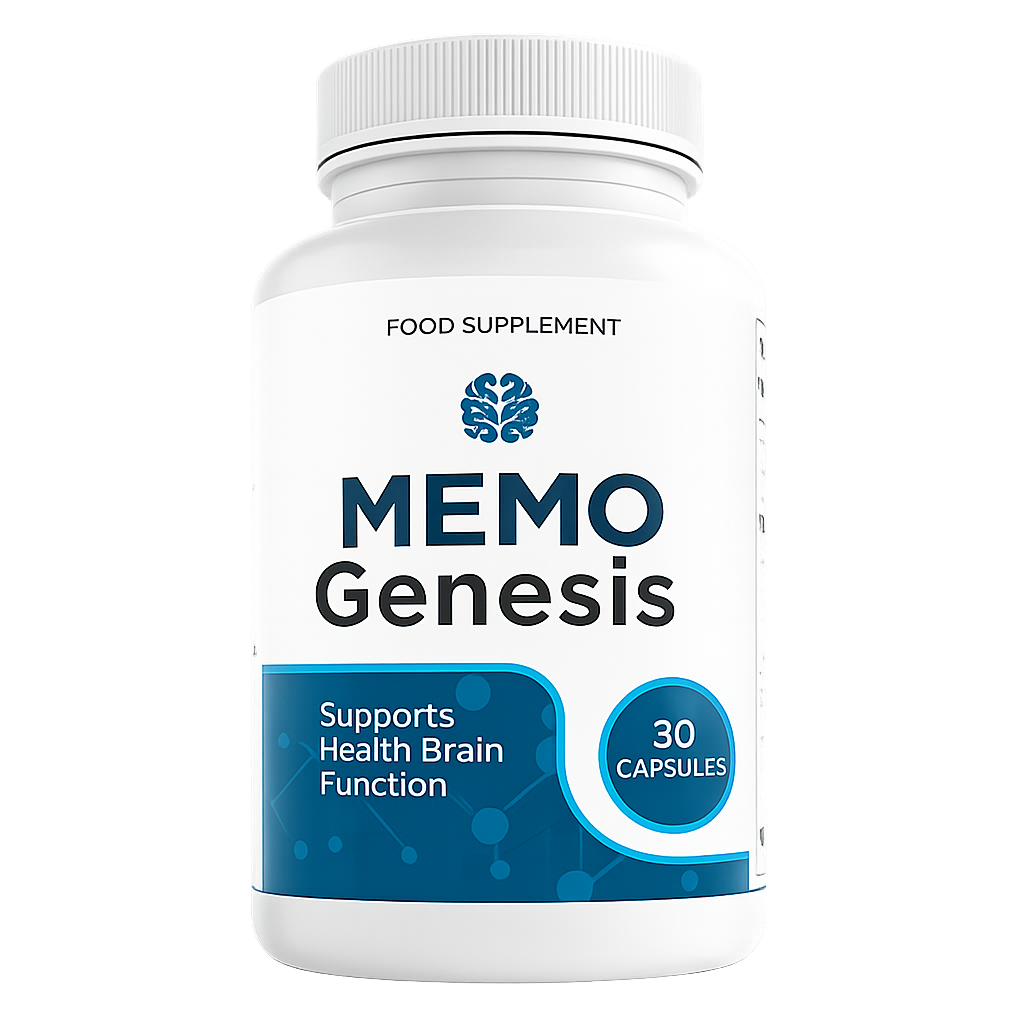
Partially, and it's worth being precise about what that means. The studies cited above were conducted on the isolated ingredients — not on MemoGenesis as a finished formula. No company-sponsored clinical trial has tested this exact combination and dosage on human subjects, which is true of the overwhelming majority of supplements on the market, not just this one.
That means the honest way to read the evidence is: each ingredient has independent research suggesting a plausible benefit, at doses that are reasonably (though not perfectly) in line with what MemoGenesis provides. That's a meaningfully stronger evidence base than products built on proprietary blends with undisclosed doses — but it's not the same as a guarantee that this specific product will replicate those results for you.
Worth knowing: Dietary supplements are regulated differently than drugs in the U.S. The FDA does not evaluate supplements for effectiveness before they go to market. Statements about supplements have not been evaluated by the FDA, and no supplement is intended to diagnose, treat, cure, or prevent any disease.
Pros and cons
What MemoGenesis does well
- Every dose is disclosed on the label — no proprietary blend
- No caffeine or synthetic stimulants, so no jitters or crash
- Built around two of the more clinically studied nootropic ingredients (Bacopa, Huperzine A)
- Manufactured in a GMP-certified, FDA-registered U.S. facility
- 60-day refund window if it doesn't work for you
Where it falls short
- No clinical trial on the finished formula itself, only on individual ingredients
- Takes several weeks to notice anything — not a same-day fix
- Huperzine A has real interaction risk with several prescription drug classes
- Single-bottle pricing is expensive per dose compared to the 3- or 6-bottle option
- Not a substitute for sleep, diet, or a medical workup if memory issues are significant
Considering trying it? The manufacturer offers a 60-day refund window on every package.
Check Current PricingReal customer experiences
Marketing copy is one thing — what actual users report is another. Here's a sample of feedback collected from customers across different ages, in their own words, lightly edited only for length:

"Used to go completely blank two minutes into a presentation, kind of embarrassing when you're the one running the meeting. Three weeks in and that mostly stopped happening. Still happens once in a while, especially if I didn't sleep well, but nowhere close to before."
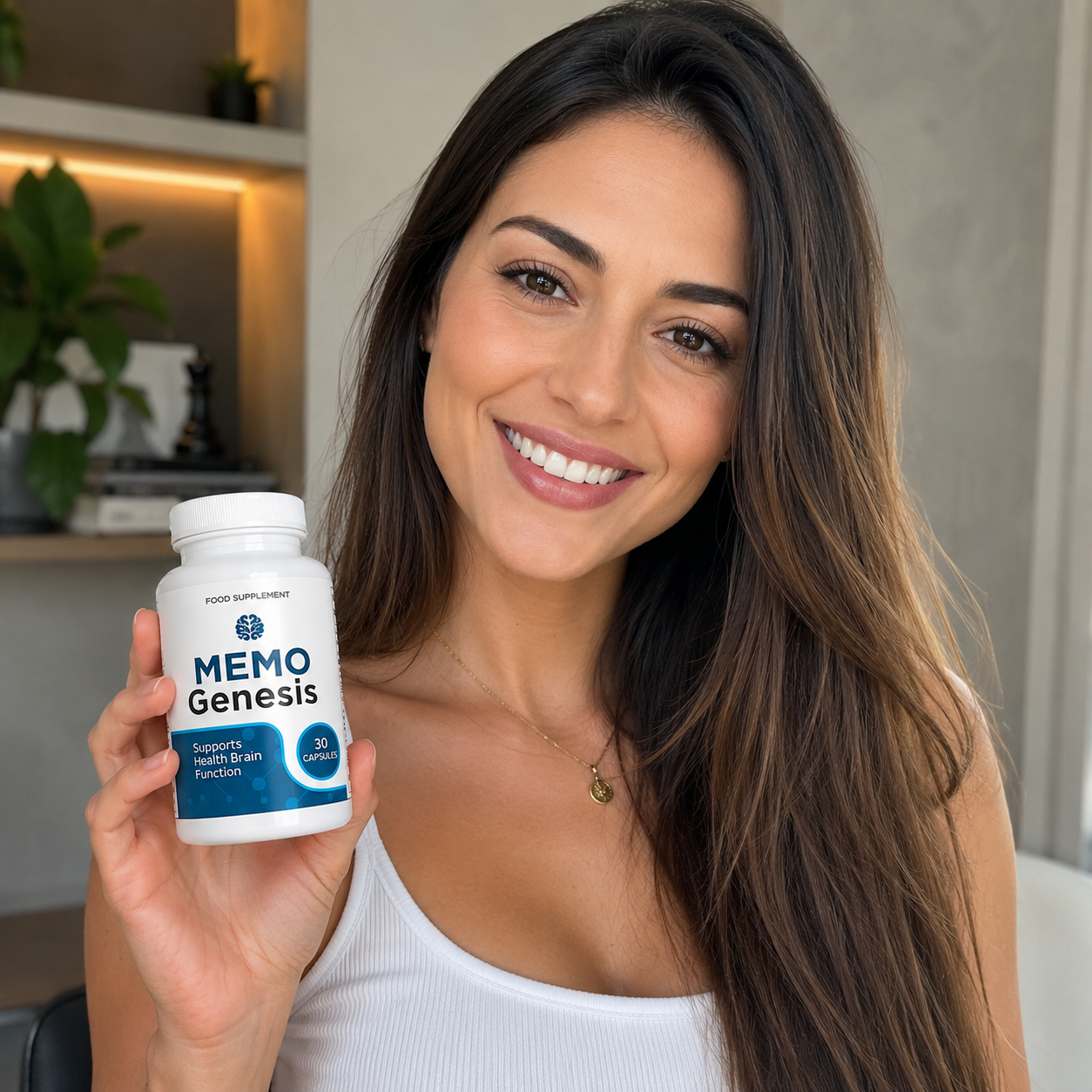
"honestly bought this because I kept forgetting stuff at work and my manager was starting to notice. wasn't expecting much tbh. by week four I was actually retaining what I read in meetings instead of having to ask someone to repeat it twice."
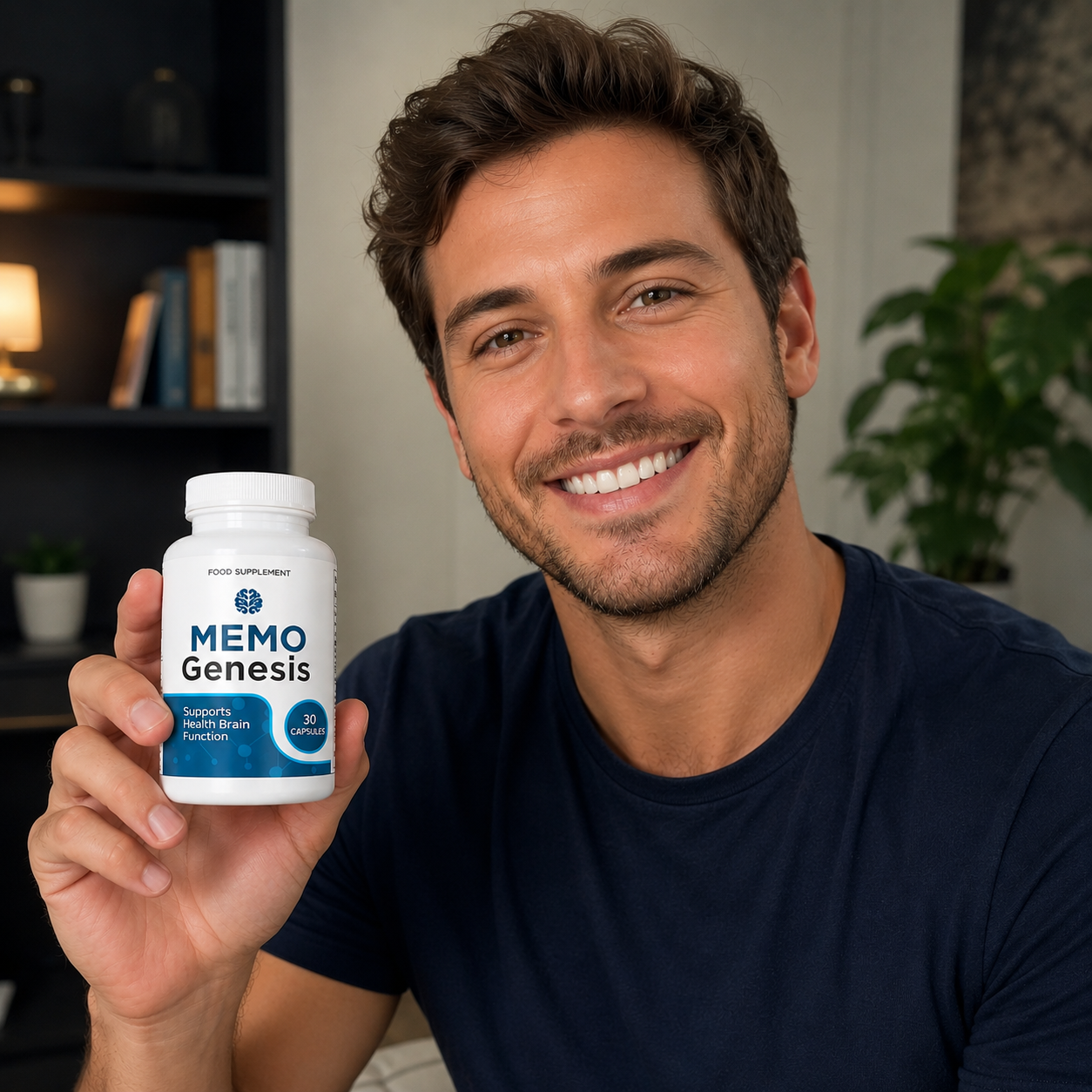
"I do a ton of calls for my job and used to completely check out halfway through, like just nod along with zero idea what was said. that pretty much stopped happening around a month in, which is honestly the only reason I keep buying it."
"Started noticing I'd walk into rooms and forget why, which freaked me out a little at 52. Two months in that's happening a lot less. Also finishing crossword puzzles faster than I have in years."
"work in software, spend all day in standups and code reviews and I just wasn't retaining any of it. took about a month but I stopped having to ask people to repeat themselves in meetings."
"My daughter recommended this after I kept telling the same story twice at dinner without realizing it. Took a little over a month before I noticed a real difference, now I can actually finish a book without losing the thread halfway through."
Individual results vary. These are self-reported customer experiences, not clinical outcomes.
Who should — and shouldn't — take it
One thing this MemoGenesis review keeps coming back to: it's aimed at otherwise healthy adults dealing with everyday forgetfulness, mental fatigue, or trouble concentrating — not people with a diagnosed cognitive condition, who should be working with a doctor rather than a supplement.
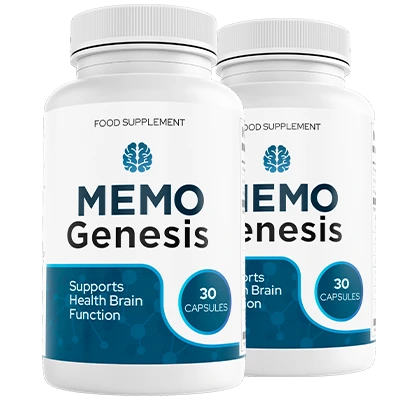
You should talk to a doctor before starting MemoGenesis if you:
- Take any prescription medication, particularly for Alzheimer's, heart conditions (beta-blockers), or other cholinergic drugs — Huperzine A can interact with these
- Are pregnant, nursing, or have a diagnosed neurological or psychiatric condition
- Have a known sensitivity to any of the six listed ingredients
MemoGenesis Review: Pricing and Guarantee
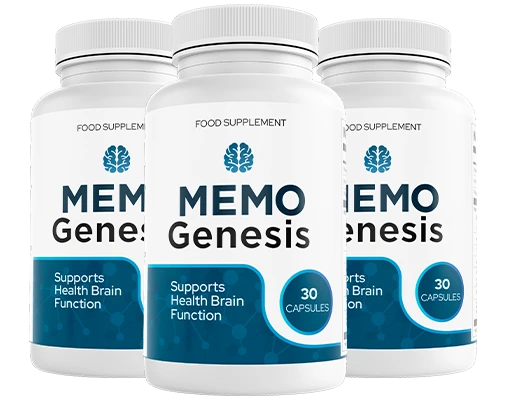
All packages are one-time purchases — there's no subscription or autoship. MemoGenesis is backed by a 60-day money-back guarantee, which is a reasonable window given the ingredients (particularly Bacopa) are documented to take several weeks to show an effect.
MemoGenesis Review: Final Verdict
MemoGenesis isn't a miracle pill, and any product that claims otherwise in this category should raise a flag. What it is: a transparently dosed, non-stimulant nootropic built on two of the more credibly researched cognitive ingredients available (Bacopa Monnieri and Huperzine A), backed by a reasonable refund window.
If you're looking for an instant jolt of focus, a cup of coffee will outperform it. If you're looking for something to take consistently over a couple of months to support everyday memory and attention without the stimulant rollercoaster, the evidence behind the ingredients makes it a reasonable one to try — with the usual caveat that supplements affect everyone differently, and the guarantee exists precisely because it doesn't work for everyone.
MemoGenesis Review: How It Compares to Other Nootropics
Most "focus supplements" that show up in search results lean on caffeine or other stimulants for a fast, noticeable effect — which also means a crash and tolerance buildup. MemoGenesis takes the slower, non-stimulant route instead.
| Feature | | Typical Caffeine-Based Focus Pill |
|---|---|---|
| Contains caffeine or stimulants | No | Usually |
| Full dosage disclosed on label | Yes | Often a "proprietary blend" |
| Targets acetylcholine/synaptic pathways | Yes | Rarely |
| Onset speed | Gradual (weeks) | Fast (minutes) |
| Crash / tolerance risk | Low | Common |
MemoGenesis Review: Frequently Asked Questions
Is MemoGenesis safe to use?
MemoGenesis is manufactured in an FDA-registered, GMP-certified facility using natural, non-GMO, gluten-free ingredients with no caffeine or stimulants. Check with your doctor first if you take medication or manage a medical condition.
Does MemoGenesis interact with any medications?
Possibly. Huperzine A affects the same acetylcholine pathway as several prescription medications, including drugs for Alzheimer's and certain heart medications. Talk to your doctor before starting it if you take prescription medication.
How long before MemoGenesis shows results?
Many users report changes within two to three weeks, though the manufacturer recommends at least 90 days of consistent use for fuller results — consistent with how the underlying ingredient research is structured.
Is MemoGenesis a subscription?
No. Every package is a one-time purchase with no autoship or recurring charge.
What's the refund policy?
MemoGenesis is backed by a 60-day money-back guarantee. Contact support within that window for a full refund if you're not satisfied.